
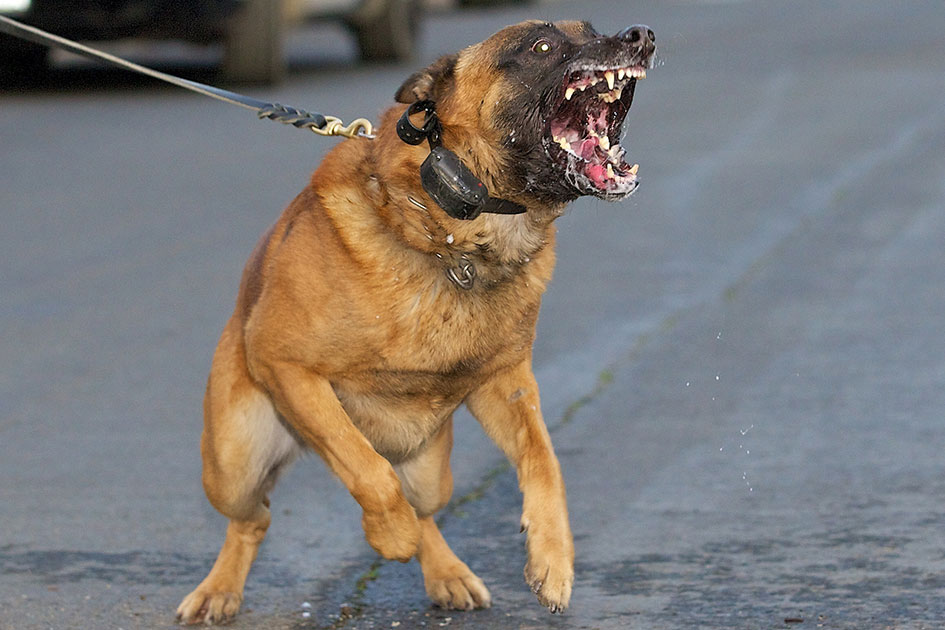
It’s not the size of the dog; it’s the size of the bite of the dog
A dog bit you. Whether it was a neighbor’s dog at the park or a stranger’s dog on the sidewalk, you’re dealing with pain, medical bills, and questions about what you’re owed. New York dog bite law changed significantly in 2025, in a way that makes it substantially easier for victims to recover compensation. Our attorneys represent dog bite clients throughout Ulster, Dutchess, and Orange counties. Call 845-600-0000 for a free consultation.
New York gives dog bite victims three years from the date of injury to file a lawsuit. Waiting, however, makes cases harder. Witnesses’ memories fade. Animal control records may be purged. We advise clients to contact us as soon as they’ve received medical attention.
New York Dog Bite Law Changed in 2025
For decades, New York operated under what lawyers called the “vicious propensity” standard. To recover damages after a dog bite, a victim had to prove that the dog had bitten someone before, or that the owner already knew the dog was dangerous. If the dog had no documented history, the claim was difficult to bring.
An April 2025 ruling in Flanders v. Goodfellow overturned that standard. Under the ruling, a dog bite victim can now recover damages by proving the owner failed to take reasonable steps to prevent harm, without establishing any prior history of dangerous behavior. The question has shifted from “did the owner know this dog was dangerous?” to “did the owner act responsibly?” That broader standard opens the door for many cases that would previously have been difficult to pursue.
New York also changed its insurance rules in 2021. An amendment to Insurance Law Section 3421 prohibits homeowners’ insurers from denying coverage, refusing renewals, or raising rates based solely on a dog’s breed. Before this law, owners of pit bulls or other so-called “high-risk” breeds often faced blanket coverage exclusions, meaning bite victims sometimes couldn’t collect even a legitimate claim. That’s no longer permitted. Insurers must evaluate each dog individually.
How Common Are Dog Bites in the Hudson Valley?
Using CDC reporting rates, the Hudson Valley sees an estimated 150+ reportable dog bite incidents each year across Ulster, Dutchess, and Orange counties:
Ulster County: Approximately 31 per year
Dutchess County: Approximately 52 per year
Orange County: Approximately 70 per year
The U.S. Postal Service recorded 322 dog bites in New York State in 2024 alone; that’s just postal workers. These figures represent reported incidents. Many dog bite injuries go unreported because victims don’t realize they have a legal claim.
What Is a Dog Bite Claim Worth?
According to the Insurance Information Institute’s 2024 data, the average dog bite insurance claim in the United States cost $110,488. New York State has historically been among the highest in the nation; a prior snapshot showed an average of $68,203 per claim in 2021.
What drives the value of a claim:
- Medical costs: emergency care, wound treatment, reconstructive surgery, infection management
- Lost wages: time away from work during recovery
- Permanent disfigurement: scarring on the face, hands, or limbs
- Nerve and muscle damage: some bite injuries permanently affect hand function
- Psychological trauma: especially common in children; documented PTSD is compensable
- Ongoing therapy: physical and psychological rehabilitation
Minor injuries may resolve through a direct insurance claim. Cases involving surgery, lasting impairment, or significant lost income warrant pursuing the full legal claim.
Who Pays After a Dog Bite in New York?
Most dog bite claims are ultimately paid by an insurance company, not by the dog owner out of pocket.
Homeowners insurance typically covers dog bites regardless of where the bite occurs. A dog that bites someone at a public park is still covered by its owner’s homeowners policy, the dog’s home address determines coverage, not the location of the bite.
Renters insurance works the same way. If the owner is a renter, their renters policy is the first place to look for coverage.
Landlord liability applies in some cases. If the dog lives in an apartment building and the landlord knew, or had been notified by another tenant or visitor, that the dog was dangerous, and the bite occurred on the property, the landlord may also be liable.
Some policies still include dog bite exclusions or require a separate Canine Liability policy. Identifying every applicable policy is one of the first things we assess.
How Mainetti & Mainetti Investigates a Dog Bite Case
Evidence fades quickly after a dog bite. Witnesses move. Animal control records get archived. The dog may be relocated or euthanized. We begin building the case record immediately.
Documenting the dog’s history. We interview neighbors, mail carriers, garbage collectors, and anyone who interacts regularly with the dog. We contact animal control to pull any records of prior complaints, loose dog calls, or bite reports. If the case goes to litigation, we may subpoena veterinary records, as vets sometimes document aggressive behavior that owners never disclosed.
Establishing owner negligence. Under the 2025 Flanders standard, we don’t need prior bite history. We assess whether the owner took reasonable precautions: Was the dog leashed? Was it secured where it couldn’t reach the public? Had anyone warned the owner about the dog’s behavior? A single lapse in reasonable care is now sufficient to establish liability.
Identifying every applicable insurance policy. We conduct a deed search to confirm ownership, identify all potentially liable parties, and determine which insurance policies cover the claim.
Key facts about liability in New York dog bite cases:
- “Beware of Dog” signage does not protect an owner from liability
- Dog breed is not a legal factor; the 2021 law prohibits breed-based exclusions
- There is no comparative fault in dog bite cases; even if a victim approached or appeared to provoke the dog, liability is assigned 100% to the owner
- Dogs that knock people over by jumping on them can be subject to liability claims under the Flanders reasonable care standard; biting is not required
- A dog that kills neighborhood animals or attacks other dogs beyond typical animal behavior may help establish a pattern relevant to the case
What to Do After a Dog Bite
- Get the owner’s contact information before you leave. Name, address, phone number. If the dog ran away but you know where it lives, we can conduct a deed search to identify the owner.
- Get medical treatment promptly. Dog bites carry a high infection risk. Keep every record of your care, such as bills, discharge notes, prescriptions.
- Report the bite to animal control. This creates an official record and may surface prior complaints against the same dog.
- Don’t speak to the insurance company without us. Adjusters will contact you quickly, and their goal is to resolve your claim at the lowest possible figure. Before you give a recorded statement or accept any offer, call us first.

Contact us at 1-845-600-0000 to talk about your case right away.
We’ll discuss your legal options and schedule a free consultation at our offices conveniently located in Kingston or Poughkeepsie.